






Reading Workers’ Compensation Lawyer

A work injury can leave you with medical appointments, missed pay and questions about what your employer’s insurance will cover. Larry Pitt & Associates represents injured workers in Reading and throughout Berks County. We help workers understand their claims, respond to disputed benefits and evaluate the next step when treatment or a return to work becomes an issue.
Pennsylvania workers’ compensation generally provides benefits for a covered work injury without requiring you to prove that your employer was negligent. Whether you were hurt in one accident or developed symptoms through repeated job duties, the connection between your work, your medical condition and any lost earnings matters.
Talk with Larry Pitt and Associates about your work injury
If you live or work in Reading or Berks County, we can review your work-injury concerns and explain the next step for your circumstances. Tell us when the injury occurred, what treatment you have received, whether you are working and what the insurer has told you.
What to do after a work injury in Reading
Get the medical care you need and tell the provider that the injury may be work-related. Report the injury to your employer promptly. Describe when and where it happened, the work you were doing and the symptoms you experienced. Keep a copy of your report and any response.
Unless your employer already knows about the injury, giving notice within 21 days helps protect compensation for the period before notice. Notice generally must be given within 120 days. If the injury or its possible relationship to work was not known, the notice period may begin when you knew or reasonably should have known both facts. Do not wait for symptoms to become severe or assume that an exception applies.
Save the records that explain what happened:
- Your injury report and the names of witnesses.
- Medical records, treatment recommendations and written work restrictions.
- Pay records and dates you missed work or worked fewer hours.
- Letters, forms and payment notices from the employer or insurer.
- Any job offer, examination notice or petition concerning your benefits.
You do not need every document before contacting us. Bring what you have so we can identify what is missing.
Medical care and wage loss benefits
Medical treatment
Workers’ compensation can pay for reasonable and necessary treatment related to a covered work injury. Treatment may include hospital care, surgery, therapy, prescriptions and other appropriate services. Medical coverage and wage-loss payments have different requirements. An injury does not have to keep you out of work for medical treatment to be covered.
Choosing a doctor
An employer’s provider list does not automatically limit your choice of doctor. The employer must satisfy Pennsylvania’s list, posting and written-notice requirements. When those requirements apply, you generally must use a listed provider for 90 days beginning with your first treatment visit, not the date of injury. You may change from one listed provider to another. Emergency treatment is an exception.
After the applicable period, you may choose another provider, but notice requirements still apply. If you have questions about the list, a referral or an unpaid bill, ask before assuming that treatment outside the list will be covered.
Lost wages and reduced earnings
Wage-loss benefits depend on your pre-injury wages and your work-related loss of earning capacity, subject to Pennsylvania’s benefit rules and the maximum for the year of injury. If you return to a lower-paying position because of your injury, partial disability benefits may be available.
Wage-loss benefits generally become payable after seven calendar days of disability. When disability lasts at least 14 days, compensation also covers the first seven days. This waiting period does not apply to covered medical expenses.
Permanent losses and fatal injuries
Certain amputations, permanent losses of use, and qualifying hearing or vision losses may support specific-loss benefits. Not every permanent scar qualifies for disfigurement benefits. That provision concerns serious, permanent disfigurement of the head, neck or face that creates an unsightly appearance and is not normally incident to the employment. Eligible dependents may qualify for death benefits after a fatal work injury.
When the insurer disputes your claim or benefits
The insurer generally has 21 days after your employer has notice or knowledge of your work-related disability to accept or deny the claim, or begin temporary compensation. Temporary payments can continue for up to 90 days without an admission of liability. An initial payment does not necessarily mean the claim has been accepted.
A dispute may concern whether the injury happened at work, which conditions are covered, whether treatment is necessary or what work you can perform. A prior medical condition does not automatically prevent a claim when work aggravates that condition. Learn more about workers’ compensation and pre-existing conditions.
Send us the actual notice if the insurer denies your claim, requests a medical examination, proposes a change in benefits or questions your work restrictions. We can review the notice, the supporting records and any response deadline with you.
An insurer’s denial and a workers’ compensation judge’s decision require different responses. A claim petition is generally used to challenge an insurer’s denial. An appeal from a judge’s decision follows a separate procedure and deadline. Our guide to denied workers’ compensation benefits explains that distinction in more detail.
Work injuries involving a car crash or unsafe property
A crash while performing job duties or a fall at work may raise workers’ compensation issues. A separate claim may also be possible if a legally responsible third party caused the injury. Workers’ compensation generally replaces a lawsuit against the employer for a covered injury, so identifying each party’s role matters.
For a collision involving another driver, see our Reading car accident lawyers. For a fall involving a potentially responsible property owner, see our Reading slip and fall attorneys. Our Reading personal injury lawyers can evaluate other potential third-party claims.
These claims need to be coordinated. A third-party recovery may create reimbursement obligations or affect future workers’ compensation benefits. Do not assume that the same losses can be recovered twice.
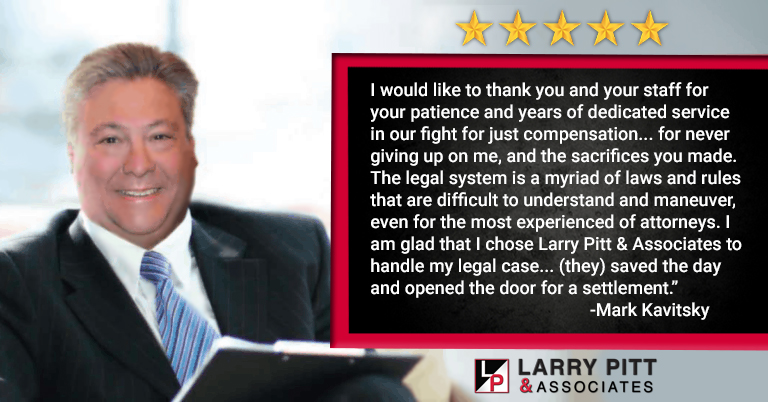
What Our Clients Say

Reviewing a settlement and attorney fees
A workers’ compensation settlement may resolve wage-loss benefits, medical benefits or both. Before agreeing, review what will end, what will remain open and how future treatment will be paid. A Compromise and Release agreement requires a workers’ compensation judge’s approval.
Discuss attorney fees and case expenses before retaining a lawyer. Fee agreements for matters before a workers’ compensation judge or the Appeal Board require approval. The agreement should explain which benefits or recovery will be used to calculate the fee and how expenses will be handled.